Nganpuya: A Quirky Handwritten Font for Modern Branding
I was working on a brand identity project for a boutique skincare line last week, and I found myself staring at a blank brand board, unsure of where to begin. The client wanted something fresh, playful, yet still professional enough for their product packaging and website. That’s when I opened up Nganpuya from Script Amp and immediately felt the energy it brought to the table.
A Fresh Take on Handwritten Typography
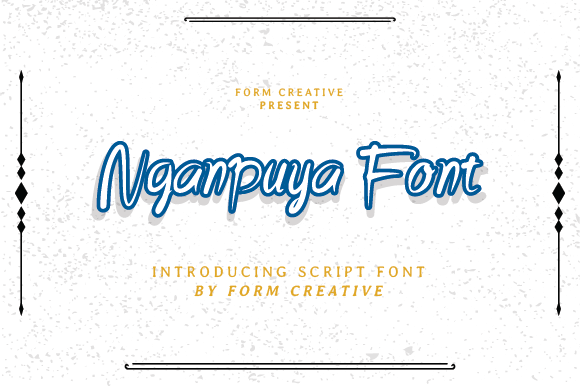
Nganpuya is a fun, quirky, and modern handwritten font that feels like it was scribbled with a pen in a moment of inspiration. It has all the charm of a personal note but with the polish of a premium typeface. The curves are soft, the strokes are fluid, and the overall feel is approachable without being too casual. It's not just a font—it's a mood.
When I first tested it on a logo concept for the skincare brand, I was struck by how well it balanced playfulness with elegance. It wasn’t too cursive or ornate, which made it versatile for different applications. The letterforms have subtle variations that give each character its own personality, making them feel handcrafted rather than mass-produced.
Testing Nganpuya Across Real Projects
I placed Nganpuya on a packaging mockup, and it instantly elevated the design. The font had a natural flow that worked beautifully on labels and product tags. It didn’t feel forced or out of place, which is a common issue with many script fonts. When I used it on a business card, the readability stayed strong even at smaller sizes, which is a big plus for a handwritten style.
On social media layouts, Nganpuya added a touch of warmth and authenticity. It fit perfectly with the brand’s voice—friendly, trustworthy, and slightly whimsical. For the website header, I paired it with a clean sans-serif font, and the contrast was perfect. The display font drew attention while the supporting text remained clear and legible.
Nganpuya also performed well on a poster design for a local café refresh. It looked great on the menu board and signage, giving the space a cozy, inviting vibe. However, I noticed that using it for long paragraphs or body text wasn’t ideal. Its quirks can make it harder to read in extended blocks, so it’s best suited as a display or headline font.
Font Pairing and Practical Applications
If you're thinking about using Nganpuya in your next project, consider pairing it with a complementary serif or sans-serif font for body text. I found that a minimalist sans-serif like Montserrat worked well for supporting copy, allowing Nganpuya to shine in headlines or callouts.
This font is especially effective for short phrases, logos, and branding elements that need a personal touch. It’s not the best choice for formal corporate use or anything requiring strict typographic rules. But for creative studios, handmade shops, or small businesses looking to stand out, it’s a great option.
Nganpuya comes with a range of styles, including alternates and ligatures, which gives designers more flexibility. Whether you're designing a wedding invitation, a product label, or a blog header, the font has the versatility to adapt to various contexts.
When to Use and When to Avoid Nganpuya
Nganpuya is a display font at heart, so it works best in situations where visual impact matters more than strict readability. Think of it as the star of the show rather than the background support. It's excellent for logos, headers, social media posts, packaging, and any branding that needs a bit of personality.
However, it’s not recommended for long-form content, small print, or anything that requires high legibility. If you’re creating a brochure, a whitepaper, or a website with extensive text, you’ll want to use it sparingly or pair it with a more readable font.
Before finalizing any client work, I always recommend testing Nganpuya across different mediums and sizes. Make sure it looks good on screen and in print, and check that it aligns with the brand’s tone and audience expectations.
Lastly, remember to review the commercial font licensing before using Nganpuya in client projects, templates, merchandise, or digital products. Ensuring proper usage rights is crucial, especially when working with brands or selling design assets.